Serial, Parallel, or One Chat? What My Token Counts Showed
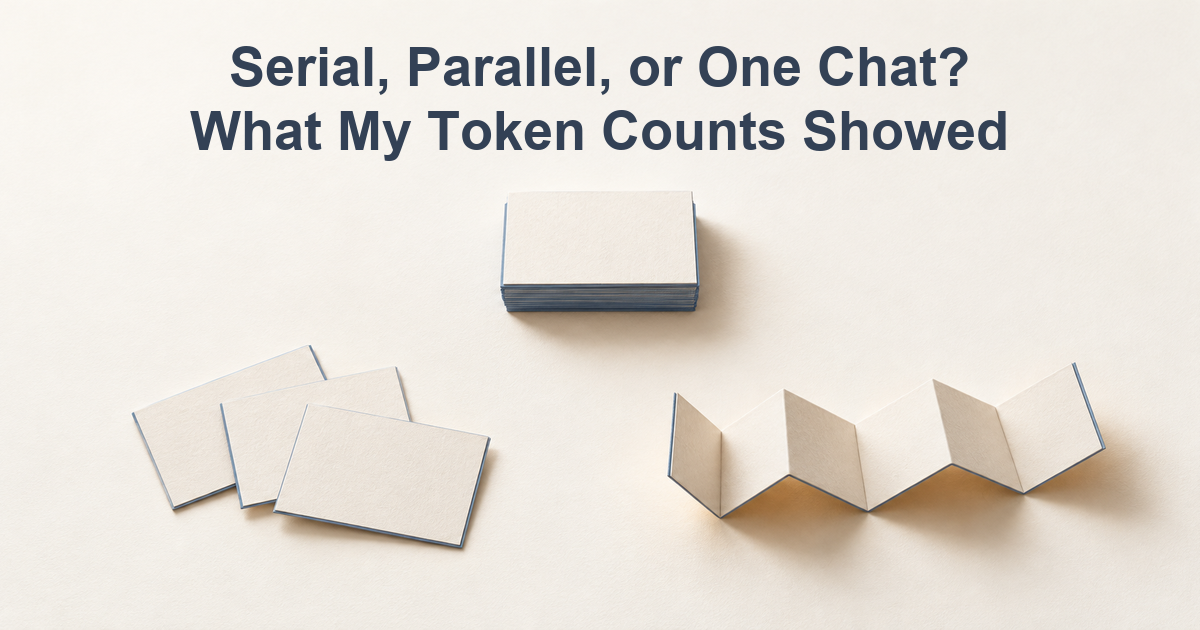
Parallel used 0.80 times serial’s tokens in one small run; different articles and unmeasured quality limit the comparison.
Parallel used 0.80 times serial’s tokens in one small run; different articles and unmeasured quality limit the comparison.

My Codex weekly limit kept draining and scheduled runs kept stopping. Local logs pointed to four possible stall causes and Sol using 3 to 4 times Luna’s quota.
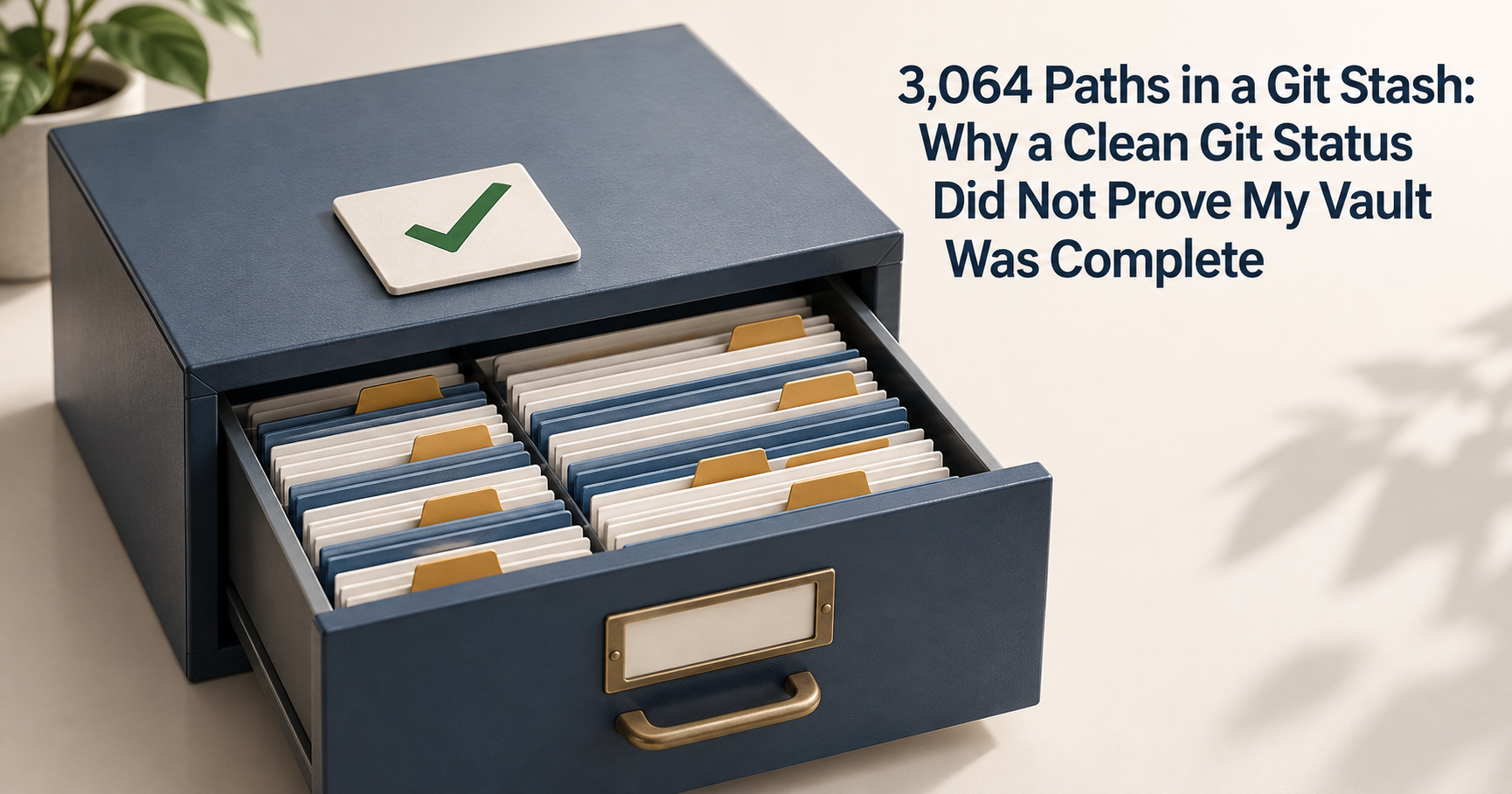
A clean Git status hid a gap in my Obsidian Vault sync. I traced 3,064 stash paths, checked the recovery, and explain what status alone cannot prove.

I used GitHub to move a Markdown file from a ChatGPT session into my Obsidian vault. Here is what the Git history proves and where current docs differ.

Three pre-registered experiments, 33 runs and $0.29558 later, I never selected a cheap model as a fact-checker. Here is what the numbers actually showed.

I audited my own published work and found two different failure modes: a missed rule change and a source-field meaning mismatch.
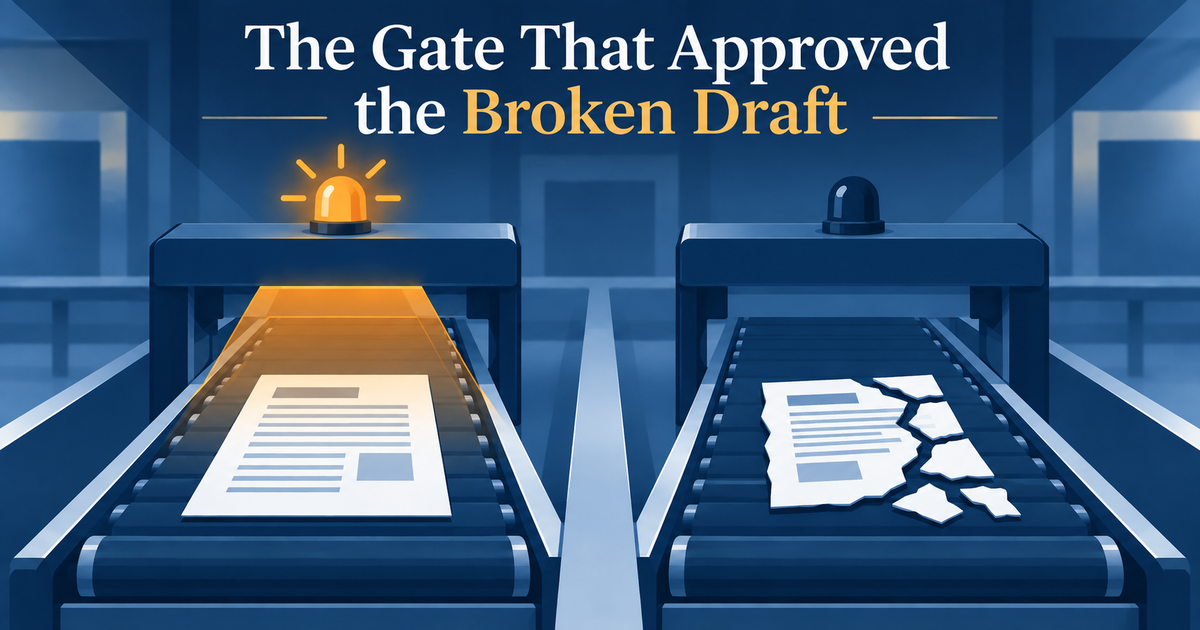
A new meaning-check flagged two clean AI drafts and missed two broken ones. Here’s what that reveals about trusting an automated writing gate.
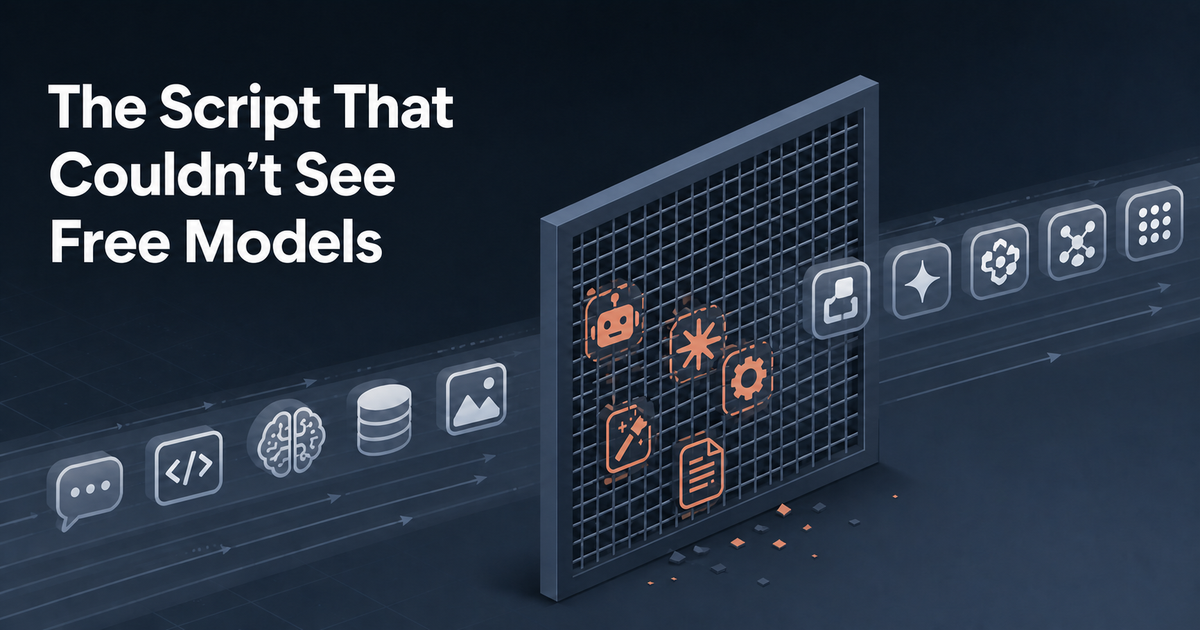
My own tool hid every free model on OpenRouter, including one that turned out to be GLM-5.3-Flash. Free changed nothing about how I judge a draft.

I tested whether a second AI model can fact-check the first one’s draft against the source. It caught 4 of 10 fabrications, and once it noted the mismatch and still marked the sentence sourced.

I built a safety check for AI delegation, rolled it out to a second site, and gave it two real jobs. Neither one used it. Here is what that tells me.