I Was Scoring the Wrong Thing
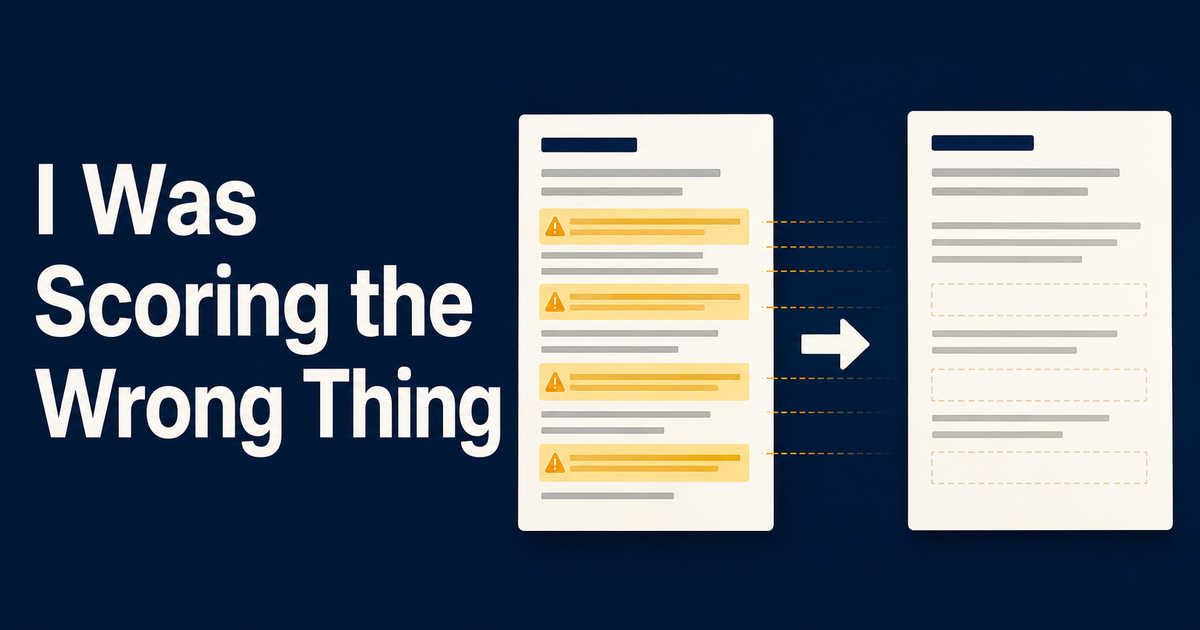
I gave four cheap models a smaller job: reorganize my research notes. Invented figures went to zero. Two of the four deleted the caveats instead.
I gave four cheap models a smaller job: reorganize my research notes. Invented figures went to zero. Two of the four deleted the caveats instead.
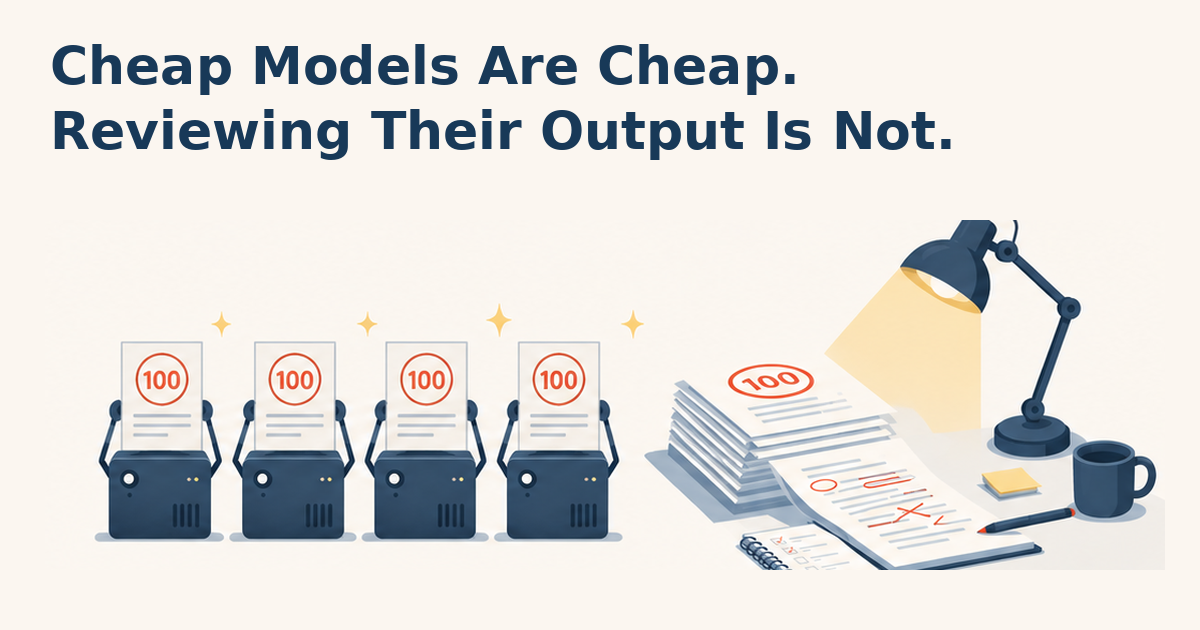
I scored eleven AI-written drafts of the same article, from $0.003 to $0.10 each. All eleven failed the same item, and paying ten times more did not raise the score.
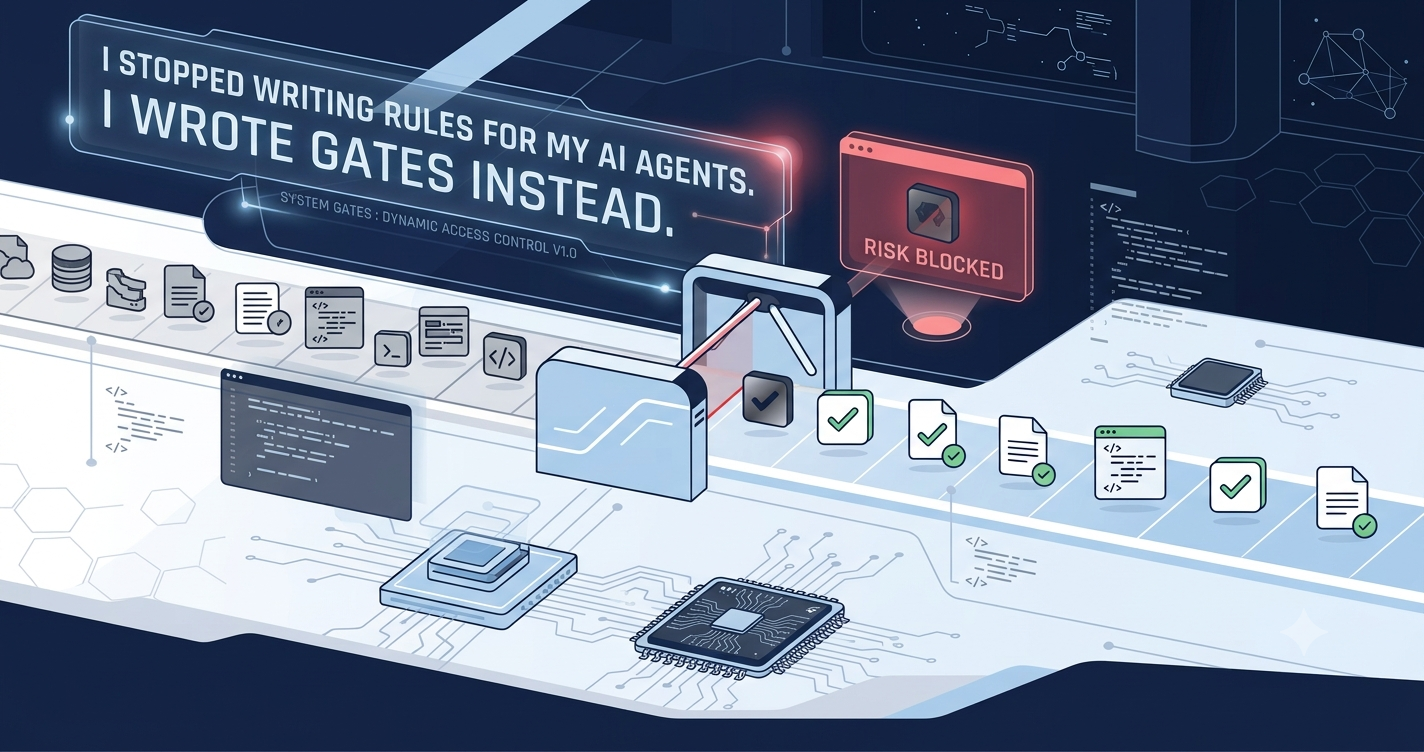
After four incidents, I stopped trusting written rules alone and started wiring Claude Code hooks into scripts that block the risky action outright.
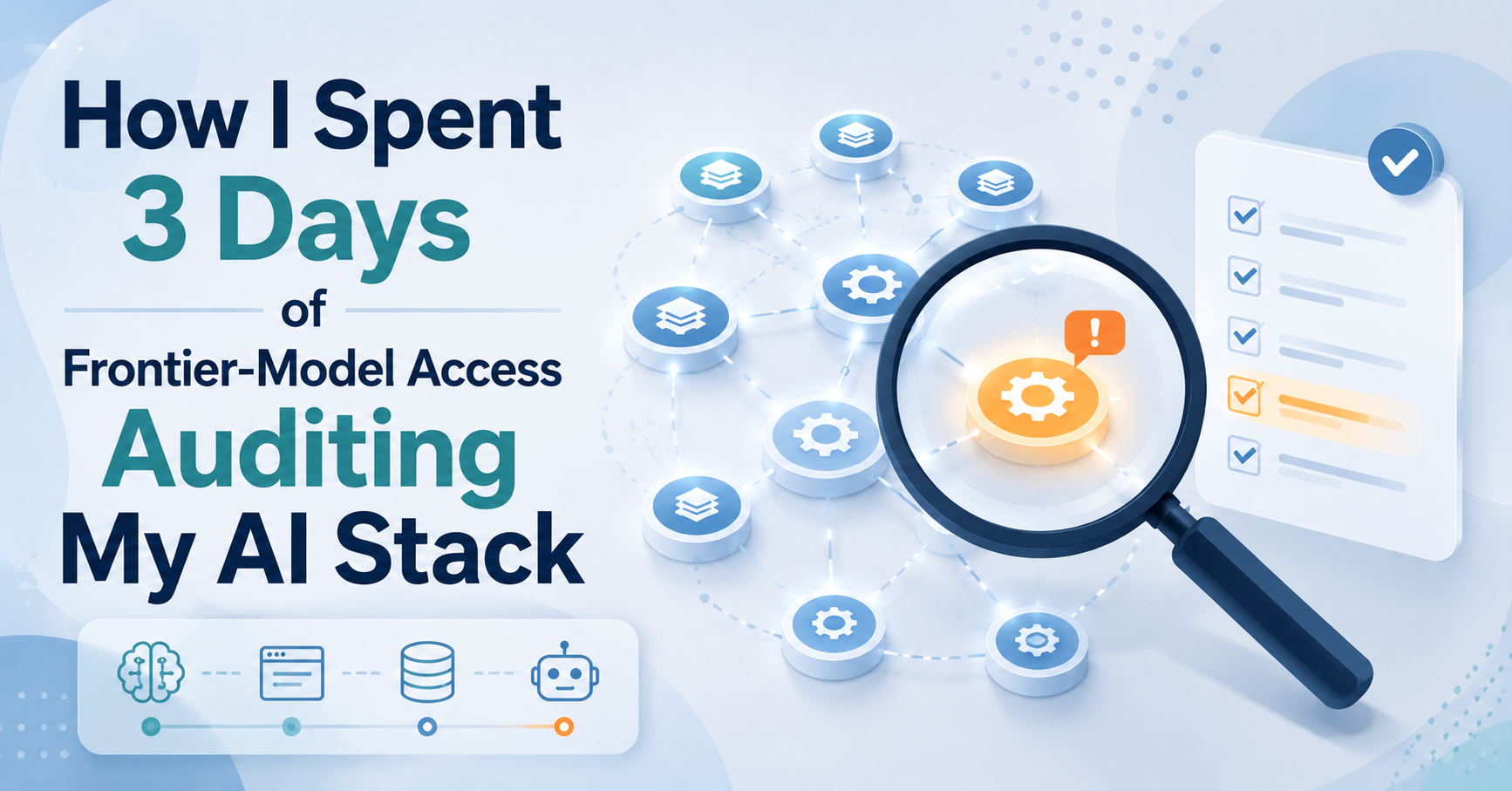
I had 3 days of full access to a new frontier model before my subscription capacity reset. Here’s why I used it to audit my own AI automation system instead of building something new, and what it found.
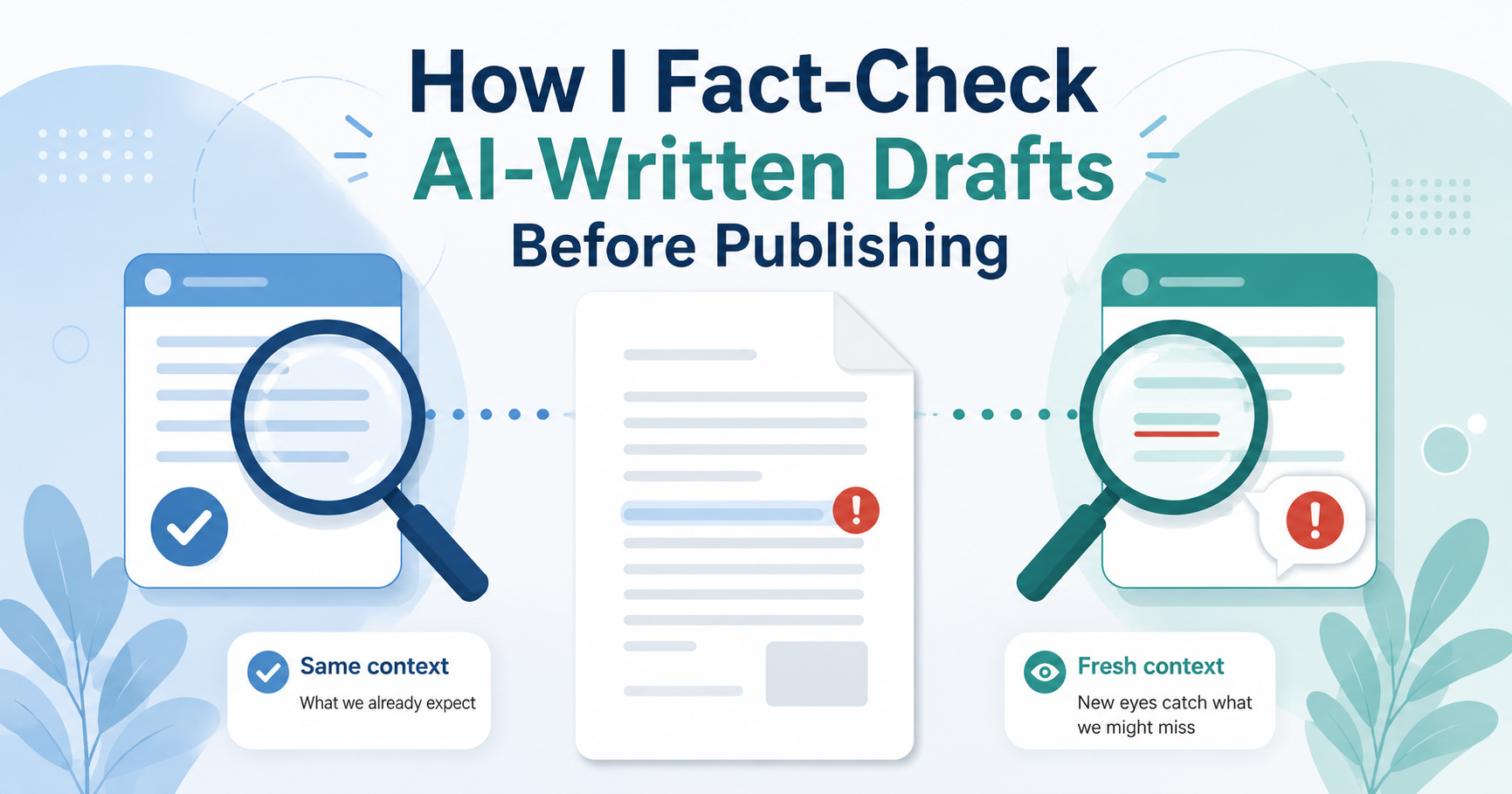
The biggest upgrade to my AI fact-checking wasn’t a smarter model or a longer prompt — it was switching the context. Here’s the simple move that catches what an AI’s self-check misses.
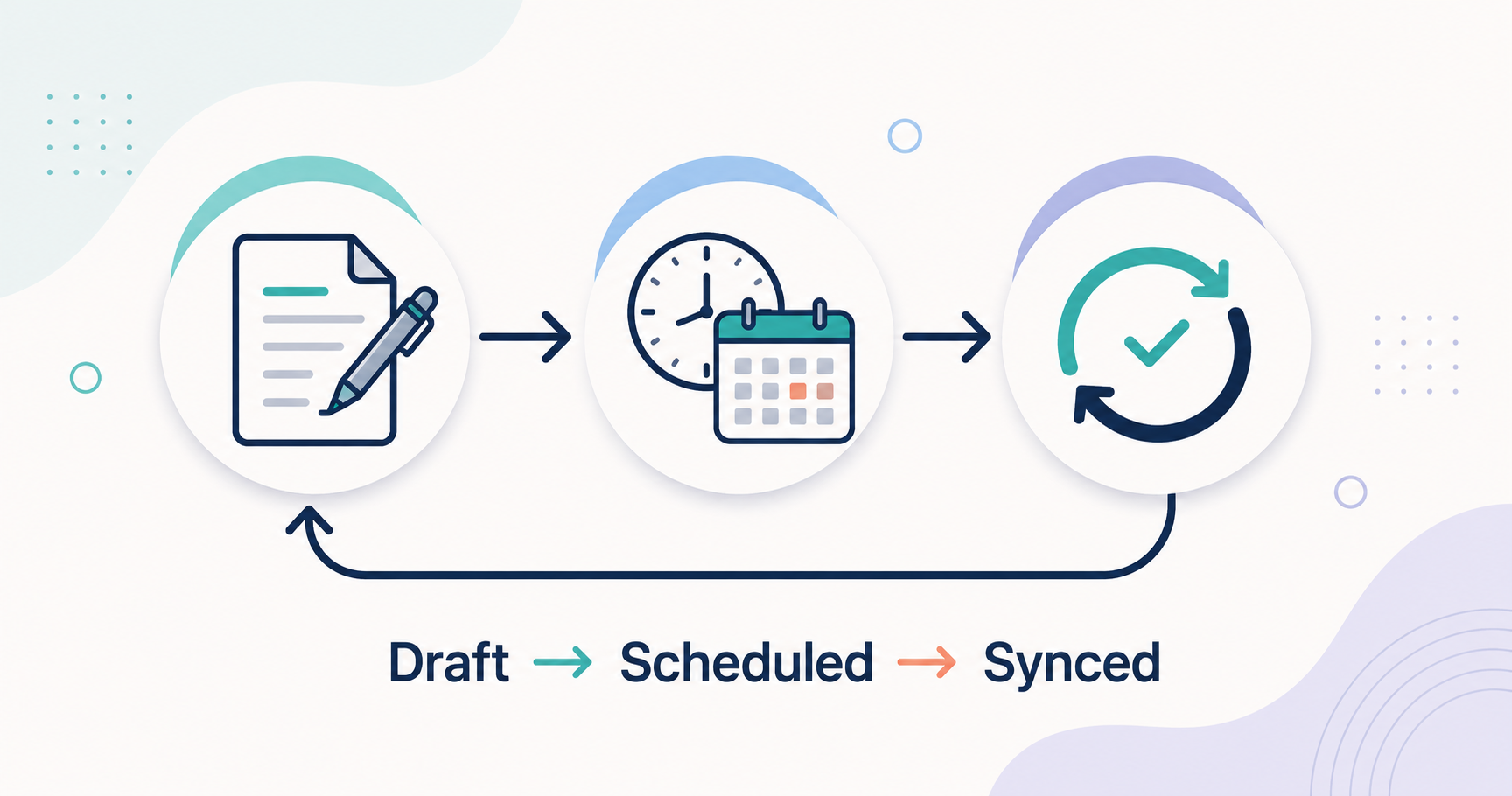
Scheduling a WordPress post isn’t the finish line. Here’s my Draft, Scheduled, Synced flow, the post-publish check most people skip, and the two silent failures that taught me to close the loop.
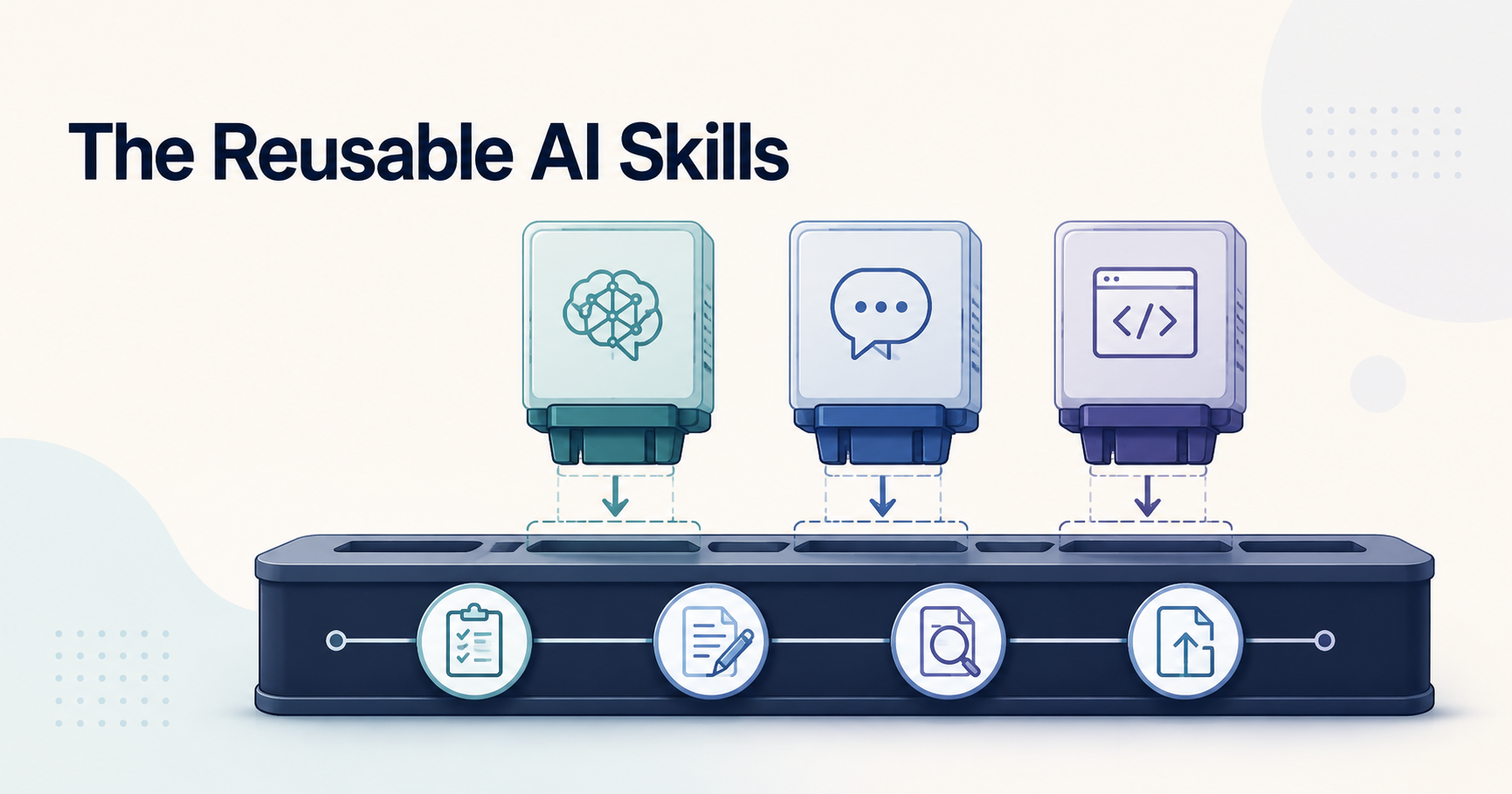
I stopped betting on one AI tool. Here are the reusable skills and the handoff file that let ChatGPT, Claude, and Codex all run my blogs, plus where it breaks.

I don’t pick a winner between ChatGPT, Claude, and Codex. Here’s how I split them by job across my blog, what each one is best at, and which to start with.

A look inside the single Obsidian vault I use to run five blogs alone: the three-layer folder structure, the files that make any blog resumable, and what broke along the way.

How I use AI to write an English blog as a non-native speaker: native-language thinking, English-first drafting, fact checks, and voice polish.